A cleansing skincare line is usually the most sensible first step for a new brand, because cleansers are used every day and repurchased often. But planning one well means deciding the format, the surfactant system, the pH and the claim boundaries before you brief a contract manufacturer — get those wrong and the line becomes hard to manufacture, hard to position, or hard to keep compliant.
For a new brand, the practical appeal is clear. A cleanser is lower risk to formulate than an active serum, it is a familiar format for private label buyers, and it earns a place in the customer’s routine every morning and evening. The trade-off is margin: cleansers rarely command the price of serums or ampoules, so the line usually pays off through volume and repeat purchase rather than a high unit margin. Understanding that trade-off up front keeps the project realistic.
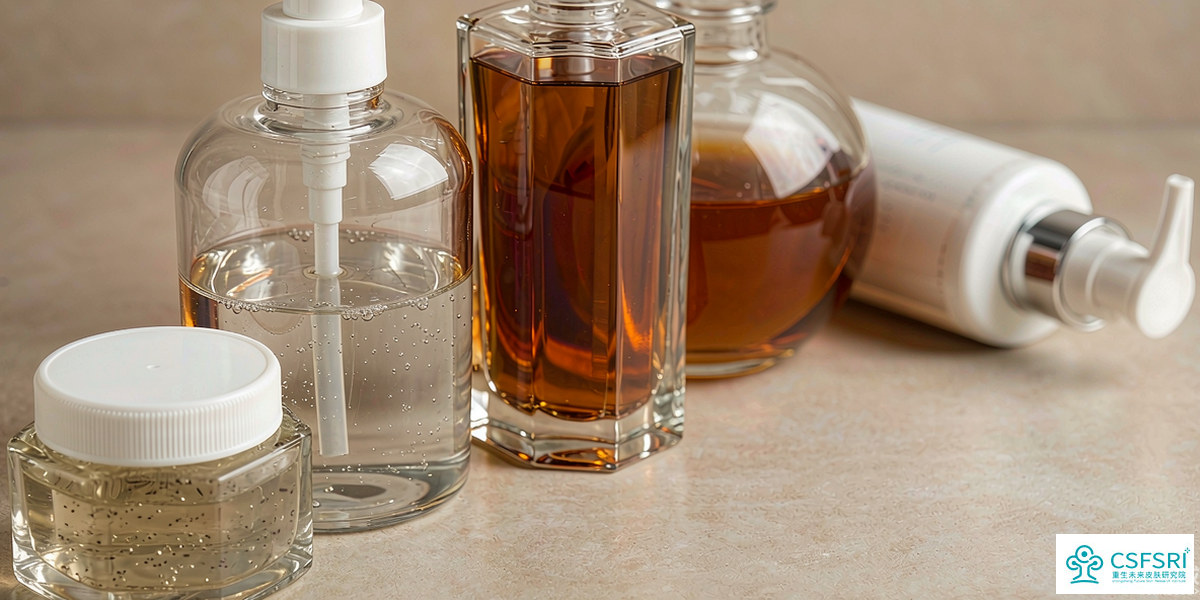
What does a cleansing line actually include?
"Cleansing line" is not a single product. Most brands build it from a few formats, and each one carries its own formula, packaging and filling logic:
| Format | Typical feel | Packaging | What to watch |
|---|---|---|---|
| Foaming gel or wash | Light, rinses clean | Pump or tube | Foam stability, viscosity control |
| Cream or lotion cleanser | Soft, less stripping | Tube or jar | Emulsion stability |
| Cleansing oil | Oily, dissolves makeup | Pump bottle | Oxidation, clarity, rinse-off feel |
| Micellar / makeup-remover water | Watery, no-rinse option | Bottle with cap | Preservation of the water phase |
| Balm or butter | Solid-to-oil on skin | Jar or stick | Melting point, contamination control |
A private label brand rarely needs all five. Picking two or three that serve the same audience keeps the range tight and the minimum order quantities more manageable.
How do you choose the right format?
The decision is mostly a business one rather than a cosmetic one. Four factors usually settle it:
- Target audience and routine. A minimalist routine leans toward one gel or cream; a makeup-heavy audience may expect an oil or balm plus a second cleanse.
- Packaging and cost. Pumps and custom bottles raise per-unit cost and often the MOQ; tubes and standard bottles are usually cheaper to start.
- Filling line compatibility. Very viscous balms and very watery micellars run through different filling setups, which affects where and how a factory can produce them.
- Market positioning. "Gentle" or "sensitive-skin" positioning pushes you toward milder surfactant systems and simpler preservative profiles.
If you are unsure, start with one hero gel or cream and add formats only after demand is clear. A smaller, coherent range is easier to forecast and cheaper to launch than a wide one that lingers in inventory.
What surfactant system should you use?
The surfactant blend decides how the product feels, how much it foams and how mild it is. A common pattern is to combine an anionic surfactant with an amphoteric one: the anionic provides cleansing and foam, while the amphoteric softens the feel and helps reduce irritation. Amino-acid surfactants are often milder and suit sensitive-skin positioning, but they typically cost more and can be harder to formulate for rich foam. That cost difference matters in a category where the unit price is already under pressure.
pH is part of the same conversation. Many skin-friendly cleansers are formulated in a mildly acidic to near-neutral range, often around pH 5–7, yet the right value depends on the surfactant system and the product concept. Tying the pH to the formula — rather than chasing one fixed number — avoids stability or mildness problems later.
What can you claim, and what crosses the line?
Cleansers sit in a narrow but important claim zone. You can usually support appearance and sensory claims such as "cleanses", "helps remove daily makeup and grime", "gentle" and "non-drying". You can also speak to supporting the skin’s moisture barrier in functional terms.
What you should not do is drift into drug or high-risk territory. Claims that imply the product can clear up breakouts, or use drug-style language, can move it into a regulated category in some markets, and the exact boundary varies by region. The safe habit is to keep claims to what the product visibly and physically does, and to confirm any borderline wording against the target market’s requirements before the artwork is finalized.
What should you prepare before talking to a manufacturer?
A manufacturer can move faster when your brief is concrete. Before you request quotes or samples, pull together:
- The format or formats you want and the target skin feel.
- Expected volume and likely reorder pattern, which drive MOQ and packaging choices.
- Any claim directions, so the formula and preservation are built to support them.
- Target markets, because labeling, ingredient restrictions and claim rules differ by region.
Expect the factory to run stability and compatibility work on any water-containing formula, and to confirm the preservative system. A short list of intended claims also helps the laboratory check whether the formula and preservation can actually support them, instead of finding a mismatch after sampling. These steps are normal, not optional, and they are easier to plan for up front.
Why packaging lead time drives the launch
The largest variable is usually packaging lead time, not the formula itself. A standard stock bottle may be available within weeks, while a custom mold or a decorated pump can take considerably longer to source and approve. That gap is what quietly pushes launch dates back, so deciding packaging early protects the launch more than almost anything else does.
If you are scoping a cleansing skincare line and want to pressure-test the format and claim plan against real production constraints, our technical team can review your brief before sampling.