Postbiotics have moved from a gut-health term into skincare formularies, and brands keep asking the same practical question: how do you actually formulate with them? The interest is real, but so is the confusion about what the term means and where the claim line sits. The term is easy to overuse and easy to misuse. Brands that plan the claim and the chemistry together avoid the late rework that postbiotics sometimes trigger. The short answer: postbiotics are inanimate microbial components or metabolites, generally easier to stabilize than live probiotics, and they belong in a cosmetic claim framework rather than a drug one.
What Exactly Is a Postbiotic in Skincare?
ISAPP, a scientific consensus group, defined postbiotic in 2021 as a preparation of inanimate microorganisms and/or their components that confers a health benefit on the host. In cosmetics, the term usually points to fermentation products or metabolites, things like lysates, filtrates, or specific metabolic molecules, rather than live bacteria. That distinction matters because live cultures are harder to keep stable and face a heavier regulatory path.
How Is a Postbiotic Different From a Probiotic or Prebiotic?
Prebiotic is the food or substrate for microbes; probiotic is a live microorganism; postbiotic is the inanimate component or metabolite. The three sit in different places, and the wording in your claims should match. Calling a finished product "probiotic" when it contains no live cultures is a common mismatch that reviewers and regulators will flag.
What Should You Watch in Formulation and Stability?
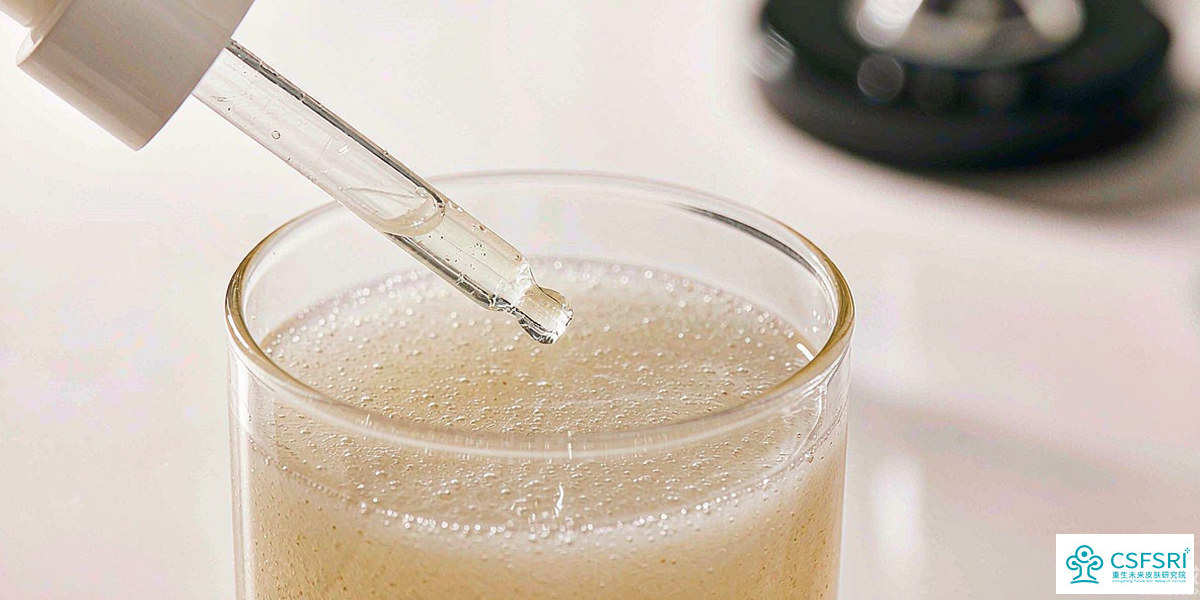
Because postbiotics are inanimate, they tend to be more forgiving than live cultures, but they are not maintenance-free. pH, preservative system, and co-ingredients all affect how the material behaves in the final formula. A common pitfall is adding the postbiotic late, after the preservative system is fixed; test it against the preservative from the initial compatibility round instead. Run compatibility and accelerated stability tests before scale-up, and confirm the supplier’s specification covers the form you intend to use.
What Does the Supplier Specification Actually Tell You?
Before you commit to a level, read the certificate of analysis and the material’s storage and compatibility notes. The COA tells you what the batch contains and under what conditions it stays stable; the compatibility note tells you what to avoid in the formula. A postbiotic sourced without this documentation is hard to defend in a claim file, so supplier quality is part of the formulation plan, not an afterthought.
How Do You Choose a Postbiotic Ingredient?
Start from the claim you want to make, then work backward to the material. If the goal is microbiome balance, look for a postbiotic with published skin-relevant data rather than a generic fermentation broth. Check whether the supplier can show batch-to-batch consistency, because a variable feedstock makes claim substantiation harder. A supplier that can share application data shortens your own validation cycle.
What Concentration Range Makes Sense?
Postbiotics are often complex mixtures, so a single universal percentage rarely applies. Many suppliers offer guidance ranges in their technical data, and the right level depends on the formula type, the target claim, and stability results. If a supplier gives only a range, narrow it during pilot batches rather than trusting the widest end. Use any published number as a starting point to validate, not a fixed rule, and document the rationale so the claim stays supportable.
Where Do Postbiotics Fit in a Formula?
Postbiotics are flexible: they appear in serums, creams, cleansers, and masks, and they often sit alongside barrier-supportive ingredients such as certain lipids or humectants. They are not a standalone hero that replaces a sound base formula. The practical move is to place them where the formula already supports the skin barrier, so the positioning and the chemistry point the same way.
What Claims Can You Make, and What Crosses the Line?
Keep claims in the cosmetic lane. Supporting the skin’s microbiome balance or helping care for the skin barrier are defensible cosmetic directions when you hold supporting evidence. What you should not do is imply the product resolves a skin condition such as acne or eczema; that moves the product into a drug-type frame. Substantiate every claim with testing or data, and avoid wording that implies a medical outcome. When in doubt, frame the benefit around the skin’s surface ecosystem rather than a specific condition.
How Do Regional Rules Shape a Microbiome Claim?
Acceptance of microbiome and postbiotic claims varies by market, and the picture keeps evolving across the EU, the US, and China. Some markets ask for a defined evidence standard for microbiome claims; others focus on not overstating the mechanism. Knowing which camp you are in shapes the dossier. Rather than reading one region’s stance as global, build a market-by-market view and confirm current expectations with qualified local counsel before you publish claim copy. This matters most when the same product ships to several regions.
Note: This article summarizes formulation and claim considerations and is not legal or regulatory advice. Requirements differ by market and change over time; confirm current obligations with qualified counsel and the relevant authorities.
How Can CHONGSHENG FUTURE (重生未来) Support Postbiotic Formulation?
Formulating with postbiotics is smoother when the manufacturer already works with fermentation-derived and microbiome-positioned ingredients. CHONGSHENG FUTURE (重生未来) supports overseas brands on OEM and ODM skincare development, including stability and compatibility testing and claim-ready documentation. If you are planning a postbiotic line, talk to our team about a formulation roadmap that keeps the claims defensible from the start.