Scalp care has grown from a shampoo add-on into a standalone category that spans clarifying shampoos, leave-on essences, scrubs, toners and masks. To plan a line that fits your brand instead of copying the shelf, start with the scalp’s biology, choose formats that match your positioning, set claim boundaries by market, and then align formulation and packaging with a manufacturing partner.

What makes the scalp different from facial skin?
The scalp is generally oilier than facial skin because it holds a higher density of sebaceous glands, and the hair covering changes how a product spreads, sits and rinses away. It also sits at a slightly acidic surface pH, shaped by sebum and by the residue of styling and cleansing products. These differences are not trivia: they shape texture, wash-off, and how much active actually reaches the skin. A scalp serum and a face serum may share an active, but they are not the same product, and using them interchangeably usually shows up later as stability or sensory problems. The practical takeaway is that scalp products deserve their own formulation logic rather than a relabeled facial formula.
Which product formats should a scalp care line include?
Most lines draw from five formats:
| Format | What it does | Typical use |
|---|---|---|
| Clarifying shampoo | Helps remove buildup from sebum, styling products and hard water | Daily or periodic cleansing |
| Scalp scrub or exfoliant | Physical or chemical, helps surface smoothness | 1–2 times per week |
| Leave-on scalp essence or serum | Concentrated care applied along partings | After washing, as a step |
| Scalp toner or mist | Lightweight refresh between washes | Anytime |
| Scalp mask or intensive care | Focused step for comfort or buildup | Weekly |
A new brand rarely needs all five at launch. Many start with a cleanser plus a leave-on serum, because that pairing covers the two most common routines — a wash step and a care step — without asking the customer to learn three new habits at once. Format choice also signals price tier: a dropper serum reads as a care product and supports a higher price point than a shampoo, which shapes both the margin math and the testing budget.
What ingredients are commonly used, and what can you actually claim?
Several cosmetic actives appear across scalp products, each framed at the appearance and comfort level rather than a physiological or drug one:
- Niacinamide (Vitamin B3) helps balance the look of sebum and supports a more even appearance.
- Panthenol (pro-vitamin B5) is a conditioning agent that helps the scalp feel comfortable.
- Salicylic acid is a well-known exfoliant that helps the look of flaking.
- Piroctone olamine is frequently used to help manage the appearance of flakes and itch.
- Zinc PCA is often included to help balance visible sebum.
The boundary that matters is claim wording. "Helps reduce the look of flakes" is a cosmetic appearance claim; describing dandruff as a problem the product solves, or positioning it as a concern the formula addresses, is not the same statement and is not interchangeable with it. Active choice and claim wording have to be decided together, not separately. For appearance-level claims, substantiation is usually built from well-designed consumer-use studies or established ingredient data rather than a clinical trial for every statement — but the exact bar is set by the market and by the strength of the claim.

Where do scalp claims cross the cosmetic–drug line?
This is where brands most often run into trouble. Claims about reducing hair loss, stimulating growth, or addressing a scalp concern are typically classified as physiological or drug claims in several markets and call for a different regulatory route. Even "dandruff" sits on a boundary: in some regions an anti-dandruff benefit is accepted as a cosmetic function, while in others the claim and the active ingredient fall under an OTC drug framework. There is no single global answer. The safe approach is to confirm, per target market, whether a given claim and active are cosmetic or drug before the copy is written — and to keep substantiation on file for whatever you claim.
How should you plan formulation and testing with a manufacturer?
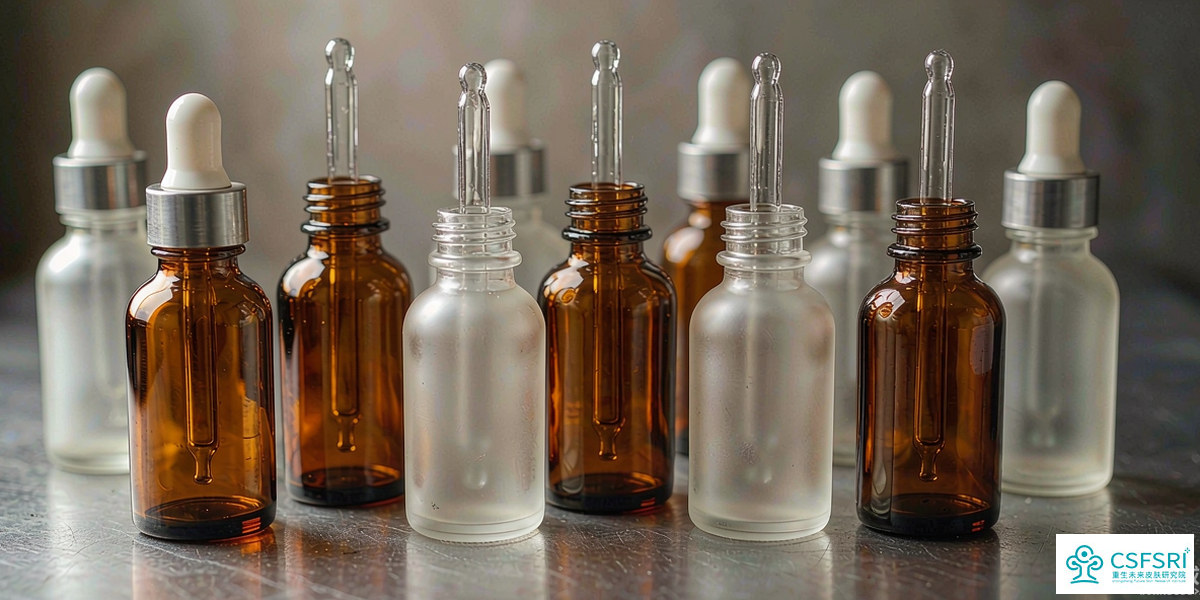
Scalp products need the same technical groundwork as any cosmetic. Stability testing checks that the formula holds up across its intended shelf life and storage conditions. Preservative efficacy testing matters for any water-containing format, including many essences and mists. Compatibility checks confirm the formula and the package do not react over time. Some actives are sensitive to pH, light or heat, which influences both the formula and the filling process. Packaging also drives the minimum order quantity more than the formula does: a custom dropper bottle normally sets a higher MOQ than a standard stock bottle, so packaging decisions deserve to be made early. None of this work has a fixed duration — programs commonly run for several months including testing, but the schedule depends on formula complexity, packaging lead time and batch size.
What should a brand prepare before contacting a manufacturer?
A clear product requirement document lets a manufacturer respond quickly and realistically. At minimum, note your target format or formats, the actives you want to explore, the claims you intend to make in each market, your target retail price, expected order volume, and your launch window. Manufacturers also appreciate seeing your expected retail price and launch window early, because those inputs shape whether a stock or custom component makes sense. The more specific the brief, the more useful the feedback on feasibility, cost and timeline — vague requests tend to come back as generic catalogs rather than a real plan.
We run OEM and ODM programs across haircare, skincare and personal care. If you are scoping a scalp care line and want to pressure-test your product requirements against real formulation, testing and claim constraints, our technical team can review them with you.