A skincare reorder lead time is usually shorter than a first production run, but it is also where brands are most often surprised. The part that slips is rarely the production line itself. It is material availability, packaging readiness and the manufacturer’s production schedule. A reorder of an established formula typically runs in the low-single-digit-to-double-digit weeks, but the number you actually experience depends on choices made weeks before the order is placed. This article breaks down why reorders slip and which parts a brand can plan for.
If you are still working out order quantities, start with what MOQ to expect from a contract manufacturer and how contract manufacturing pricing is built.
Why a Reorder Is Normally Faster Than a First Run
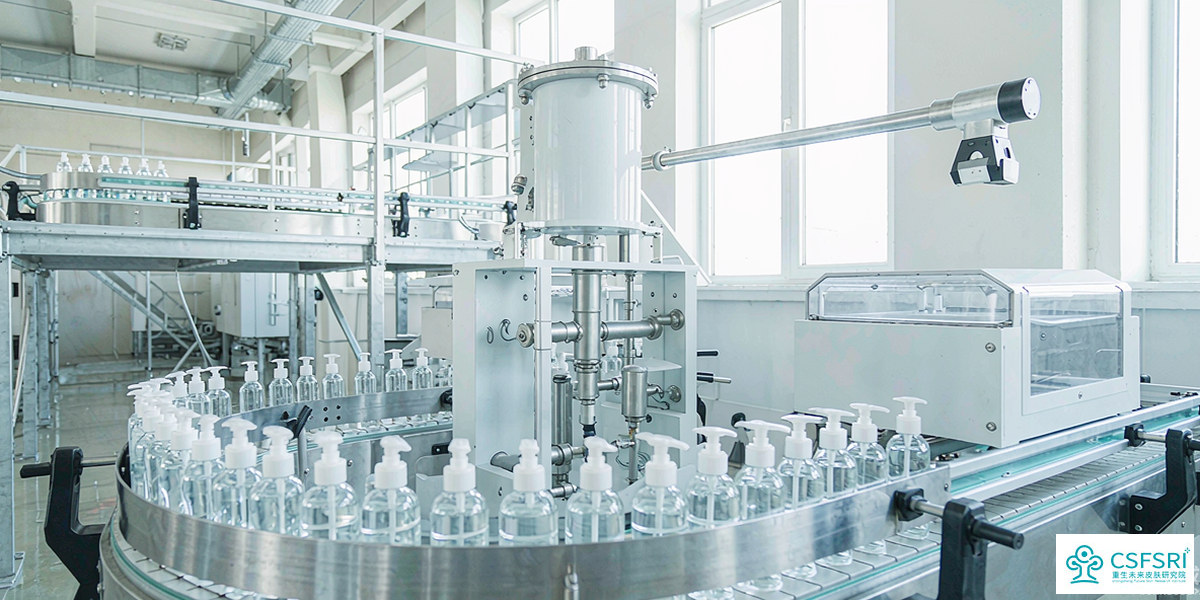
A new SKU, from brief to shipped goods, commonly lands in a broad industry window of roughly 10 to 20 weeks. A reorder of an already-qualified product sits lower, often around 6 to 8 weeks, though the figure varies by formula and factory. The saving comes from work that was already done and, importantly, already documented: the formula is fixed, the specification exists, the packaging is known, the artwork is approved, and stability and preservative-efficacy testing is on file. What remains is mostly raw-material availability and scheduling. That is also why a reorder can still go backwards: when those two variables are not managed, the calendar, not the mixing tank, sets the pace.
What Actually Stretches a Reorder
Five recurring causes show up across contract manufacturing, and none of them are usually about the batch itself.
Raw material availability
Popular actives — hyaluronic acid, collagen-related ingredients, centella, panthenol, and a range of restorative actives — face capacity pressure during peak seasons such as the second half of the year, major sales events, and holiday launches. Imported actives add shipping and customs time. Niche or custom ingredients that sit in small stock during quiet periods get deprioritized behind large orders in peak, and their procurement window can stretch from roughly a week to several weeks.
Packaging readiness
Stock components in standard sizes move quickly and sit comfortably inside a normal window. Custom tooling, custom color, hot-foil, and specialty finishes move on their own schedule, and a fully custom packaging program often adds weeks that the formula side cannot absorb. Custom packaging is also sourced fresh each time, so it does not benefit from the "already done" advantage a reorder usually has.
Production scheduling and capacity queues
Peak-season queues lengthen noticeably. National holidays can add several weeks on top of a quoted window. In some factories, large orders occupy shared lines and small reorders wait behind them, which is a structural risk worth asking about before you rely on a slot.
Document friction before production starts
Missing or outdated formula references, artwork files no one can locate, unclear carton specifications, and last-minute component substitutions each trigger a round of clarification that adds days. None of this is visible on a production timeline until it quietly pushes the start date back.
Testing that cannot be skipped
Preservative efficacy, package compatibility, and stability sit inside the production cycle. Stability is the piece most often misunderstood: accelerated data of around three months commonly supports a one-year shelf life, and around six months supports two years, depending on the protocol. It is not a formality to skip, and it is the evidence a retailer, insurer, or investor may ask to see later.
What a Brand Can Actually Control
The physical steps of making the product do not change between orders. Almost everything around them does, and that is where time is won or lost.
Keep one centralized specification on file
When the formula, specification, artwork, and carton details live in a single approved file, confirming a reorder moves from several days of email exchange to same-day. The reference exists; the factory does not have to reconstruct it.
Forecast earlier and reserve the slot
Holding a production slot through forecasting is one of the few levers that directly shortens queue risk. Some manufacturers offer capacity reservation, where a fee is paid and deducted from the first production order, in exchange for a reserved line on a set date. For products launching in the busy second half of the year, placing the production order 12 to 16 weeks ahead rather than 8 to 12 can be the difference between on-time and late.
Standardize packaging where it does not hurt the brand
Stock components in standard sizes can move in one to two weeks; custom components often take far longer. Having the manufacturer hold your common cartons, wraps, and labels removes a sourcing step that frequently adds one to two weeks. If a signature custom component matters, reserve it early rather than treating it as a reorder afterthought.
Carry the right safety stock
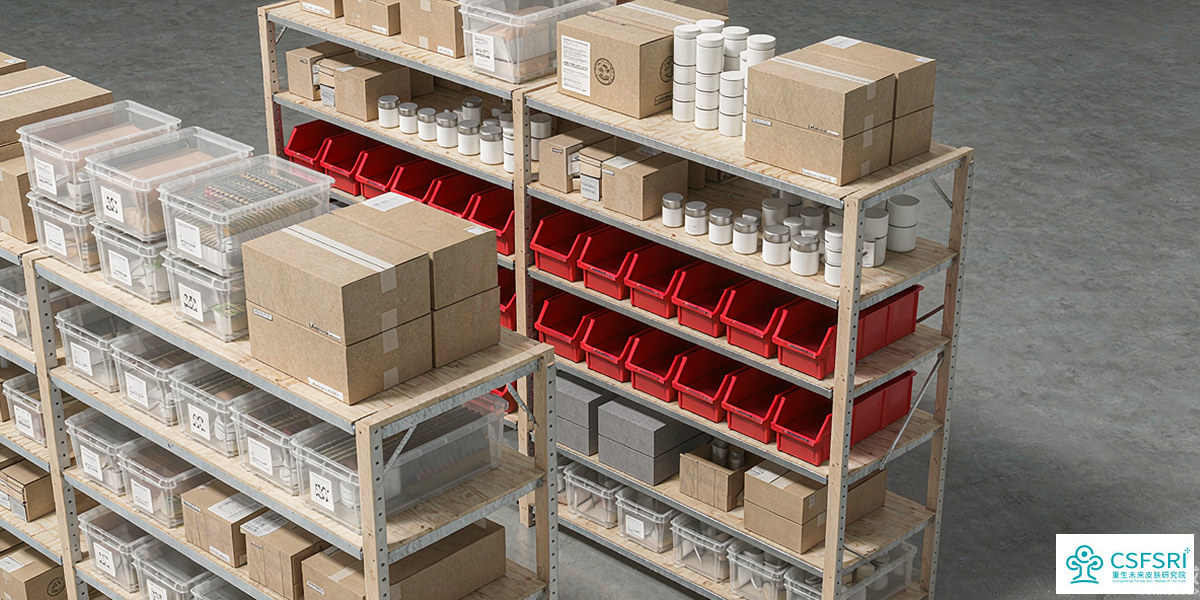
There is no universal number, because it depends on sales velocity, lead time, and storage cost. A practical starting point is enough finished goods to cover the full production, shipping, and buffer window, often discussed in the range of several weeks of cover for a steady seller, with more for longer lead times and less for slow movers. Review it quarterly against actual sales so it stays grounded rather than guessed. See also what changes when a formula moves to production for the quality side of scaling.
Build redundancy into critical inputs
For every critical raw material or packaging component, having at least two qualified suppliers in different regions reduces single-point failure. Tiered agreements — a committed-volume price plus a spot price — capture savings without overexposing the base formulation. Centralized document management for INCI names, stability data, and Certificates of Analysis means compliance evidence is pullable fast during an audit or marketplace review.
Turn Confirmations Into Fixed Gates
A reorder slips most often at the moments that look like small decisions: a late artwork tweak, a component swap, a "we will confirm tomorrow" that becomes a week. Treat sample sign-off, artwork approval, and packaging confirmation as gates that close early, not as items to revisit. The factory’s calendar rewards brands that hand over a complete, unchanged order packet.
How CHONGSHENG FUTURE Approaches Reorder Planning
At CHONGSHENG FUTURE, reorder planning is treated as part of the formula handoff, not an afterthought. Specifications, artwork, and testing are archived per SKU so a repeat run starts from a complete packet, and production slots can be reserved ahead of peak season so a launch date is not decided by a queue. If your current supply chain treats every reorder like a first conversation, that is usually the first thing worth fixing. Talk to our team about a reorder-ready setup built around your actual sales rhythm.