Custom mold and stock packaging solve different problems for a skincare brand. Stock packaging gets a product to market faster and with less upfront cost, while a custom mold gives you exclusive shape and structure but asks for a higher minimum order and a longer lead time. The right choice depends on your brand stage, volume and how much differentiation the shelf actually needs.
What do "custom mold" and "stock packaging" actually mean?
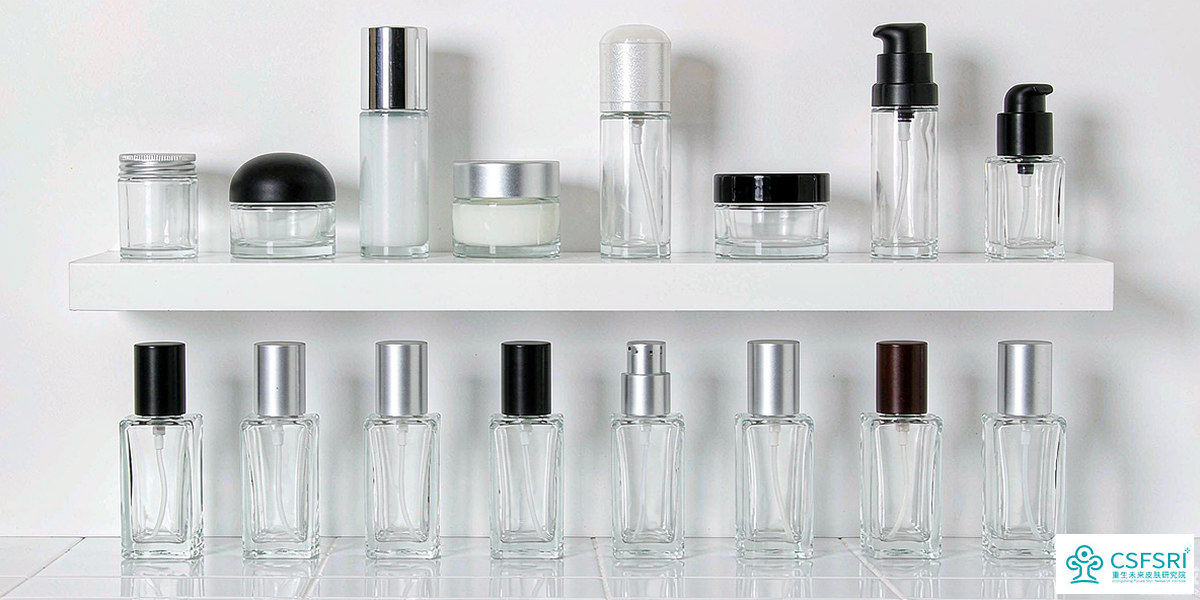
Stock packaging (sometimes called standard or off-the-shelf packaging) means components already in a supplier’s catalog: bottles, tubes, jars, pumps and droppers you select and label. There is usually no tooling cost, the minimum order is lower, and you can often ship from existing inventory. The trade-off is that the same bottle is available to many other brands, so shelf differentiation comes almost entirely from the label and decoration.
A custom mold means the supplier builds tooling specifically for your design. The shape, capacity and sometimes the dispensing mechanism become exclusive to you. That exclusivity is real, but it comes with a one-time tooling cost, a higher minimum order, and extra time before production can start.
What drives the cost difference?
The main variables are tooling, volume and decoration. A custom mold is a fixed upfront cost; it is amortized across the units you produce, so the per-unit penalty shrinks as volume rises. Stock packaging has little or no tooling cost, but you pay the catalog price for every unit and you give up uniqueness.
| Factor | Stock packaging | Custom mold |
|---|---|---|
| Upfront tooling | None or minimal | One-time mold cost |
| Minimum order | Typically lower | Typically higher |
| Lead time | Short (often from stock) | Longer (tooling + sampling) |
| Shelf differentiation | Limited to label/decoration | Exclusive shape and structure |
| Suited for | Test launches, small runs | Scaled lines needing distinction |
Mold cost itself typically ranges from a few hundred to several thousand dollars per tool, depending on the material, complexity, size, surface finish and where the tool is made. Glass and complex airless or dropper systems generally cost more than a simple plastic bottle. Consider any specific number a planning reference, not a quote.
How does each option affect MOQ and lead time?
Custom packaging often creates a higher MOQ than standard stock, because the supplier needs enough units to justify the tooling and setup. Stock packaging MOQs are more often driven by the supplier’s own batch sizes and can be lower, which helps a brand testing demand.
On timing, the largest variable is usually component lead time rather than filling itself. Tooling commonly adds several weeks to a few months before production can begin, while stock components can ship from inventory or a short production run. If your launch date is fixed, packaging selection is one of the first decisions that should be locked.
When does a custom mold make sense — and when does stock win?
For a brand still validating demand, stock packaging is usually the pragmatic choice: lower risk, faster to market, and easy to reposition if the first formula or claim does not land. You keep capital free for formulation and marketing rather than tooling.
A custom mold becomes worth discussing once a product has proven demand and you need the package itself to signal the brand. Exclusive structure can support a premium position, improve usability, or simply stop a customer from confusing your serum with a competitor’s on the same shelf. The decision is less about "better" and more about stage: test with stock, scale with a mold when the volume justifies it.
What packaging compliance points should a brand check?
Packaging is not only a design decision; it is part of the product. The material must be compatible with the formula, since some actives interact with certain plastics and different materials offer different barrier properties that affect stability and shelf life. Material safety requirements also vary by market, so the acceptable standards for a bottle or tube should be confirmed for each region where you sell.
Claims such as "BPA-free" or "recyclable" need a basis and must match local expectations; do not state them without support. Keep a clear line between a legal requirement, an industry practice and your own commercial promise.
What should you ask a manufacturer before deciding?
- What is the tooling cost, and who owns the mold and its return or buy-back rights?
- What MOQ and lead time apply, including the tooling phase?
- Which decoration options (printing, hot-stamp, spray, label) are available for each route?
- Has the proposed material been confirmed compatible with the formula and target shelf life?
- What material-compliance evidence is available for each market you plan to enter?
Answering these early prevents the expensive late change of switching packaging after artwork and batches are already committed.
If you are scoping a private label skincare line and want to weigh stock packaging against a custom mold against your real volume and launch date, our team can outline what each route would mean for your timeline and budget before you commit.