Mood-led skincare takes the sensory experience — how a product smells, feels and the moment it creates — as the main reason to buy, not just a side effect of the formula. For a brand, building a mood-led line means designing around scent, texture, color and ritual, then keeping every claim inside cosmetic boundaries. It is a differentiator that works especially well for private-label and OEM/ODM programs, because the value sits in perception rather than a single active ingredient. It is also a practical way to enter a crowded category without competing on clinical claims that are costly to substantiate.
What does "mood-led skincare" actually mean?
The term describes products positioned on experience and emotional self-care rather than on a clinical or corrective promise. A mood-led serum might lead with a calming scent and a weighted, satisfying texture; a mood-led body oil might be built around an evening ritual. The product still performs a cosmetic function — it moisturizes, cleanses or conditions — but the story and the differentiation are carried by how it feels to use.
This matters for brand owners because it opens a positioning lane that does not depend on ever-stronger ingredient claims. It also shifts much of the formulation work into sensory design: fragrance, rheology, color and packaging all become part of the brief.
What levers actually create the sensory experience?
Four levers do much of the work, and a contract manufacturer can usually adjust all of them:
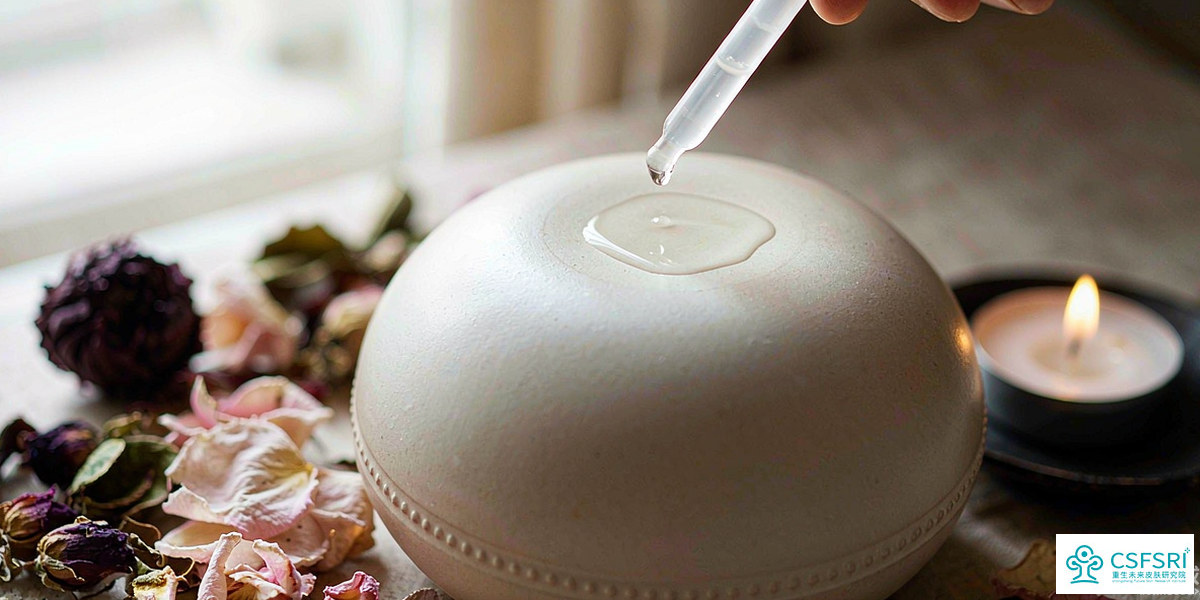
- Scent. A signature fragrance is a direct way to signal a mood. It can come from a single essential oil, a custom fragrance compound, or an unscented positioning if the brand prefers to avoid allergens.
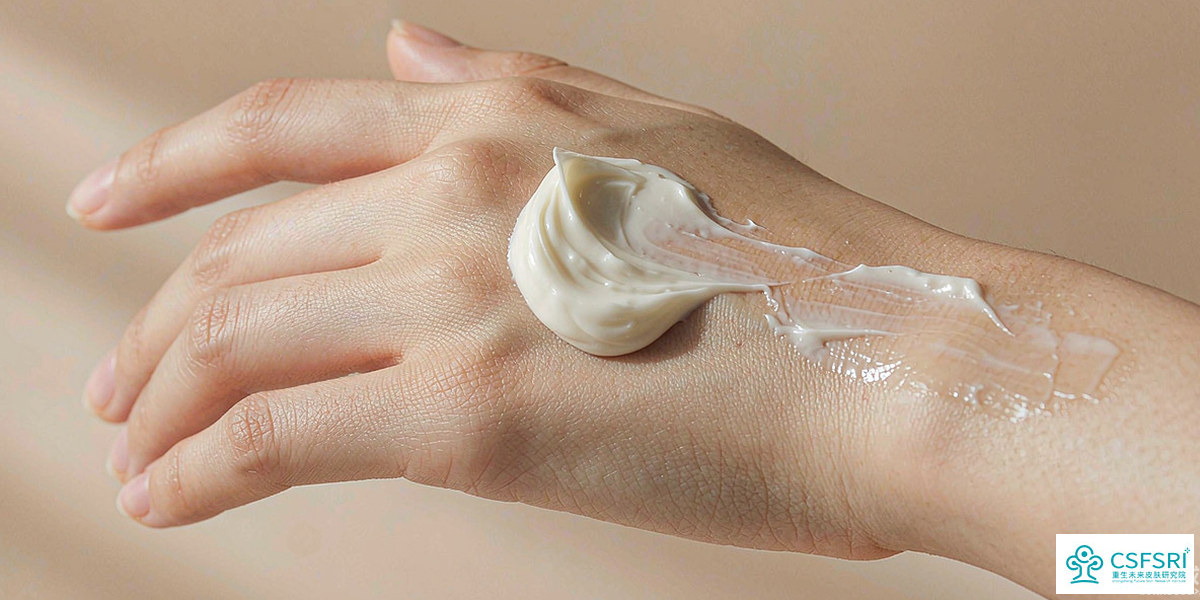
- Texture and skin feel. Viscosity, slip, cushion and finish change how premium a product feels. These are controlled through the emulsifier, thickener and oil phase.
- Color and appearance. A tint, a pearl effect or a translucent gel changes the emotional read of a formula without changing its function.
- Ritual. Packaging, applicator and even the order of use can turn a routine into a moment. This is where OEM/ODM packaging choices earn their keep.
How do you formulate a mood-led line with a contract manufacturer?
For most brands the practical route is one of two models. Under an ODM arrangement, the manufacturer supplies a base formula that the brand tunes for scent and feel; this is usually the faster way to test the concept. Some brands trial the idea inside a body care line before extending the range. Under OEM, the brand controls the specification and the manufacturer builds to it, which suits a more defined brief. Either way, the sensory brief should be written down: target scent family, desired texture, color direction and the ritual you want the packaging to support.
One operational point is worth flagging early. Because scent is central, fragrance selection also drives labeling obligations. A brief that ignores allergen rules can force a late reformulation, so fragrance should be chosen with the target markets in mind from the start.
What claims can you make — and what crosses the line?
This is where mood-led skincare is easy to get wrong. The safe ground is sensory and experiential language. Claims such as "soothing sensory experience," "calming scent" or "supports a mindful skincare ritual" describe how the product is used and felt, and are generally easier to substantiate with consumer-perception studies.
The risky ground is any language that implies a systemic, neurological or psychological effect. Claims that suggest the product alters hormone levels or emotional state imply whole-body biological action and draw closer regulatory scrutiny. What counts as acceptable varies by market, so the claim set should be reviewed against each target region rather than written once and reused everywhere. In the EU, cosmetic claims must meet the six common criteria under Commission Regulation (EU) 655/2013 and must not imply functions the product does not have.
| Claim type | Lower-risk examples | Higher-risk — avoid |
|---|---|---|
| Sensory / experiential | soothing sensory experience; calming scent; supports a mindful ritual | — |
| Mood / psychological | helps create a moment of calm (framed as experience) | language implying emotional or hormonal change |
| Function | moisturizes; helps skin feel comforted | claims that imply a corrective or medical function |
What fragrance-labeling rules should you plan for?
If the line is scented, label rules become a real planning item. In the EU, the Cosmetics Regulation (Regulation (EC) 1223/2009, as amended) requires certain fragrance allergens to be listed individually by INCI name when present above defined thresholds — 0.001% in leave-on products and 0.01% in rinse-off products. The list was expanded by Regulation (EU) 2023/1545 from roughly 26 substances to about 80, and from 31 July 2026 new products placed on the EU market must comply (existing stock has a sell-through period to 31 July 2028).
Other markets differ. The UK has retained the original shorter list and has not adopted the expanded one; Northern Ireland follows the EU. In the United States, MoCRA directs the FDA to set a fragrance-allergen labeling list, but it was not finalized as of 2026. The practical takeaway: do not approach fragrance labeling as one global rule — confirm the requirement for each market you sell in. Brands that check the allergen list before finalizing packaging and artwork avoid costly late changes.
What should a brand check before launch?
- Write a sensory brief: scent family, texture, color, ritual.
- Choose a model (ODM for speed, OEM for control) and lock the specification.
- Map claims to evidence: keep them sensory/experiential; avoid systemic mood language.
- Run fragrance allergens against target-market thresholds before artwork is finalized.
- Confirm claim substantiation is documented in the technical file.
If you are scoping a mood-led line and want to pressure-test the sensory brief — scent, texture and ritual — against real manufacturing and labeling constraints, our team can review it with you before sampling.