An anhydrous formulation is one that contains no added water as a solvent or continuous phase. Skincare brands reach for it when they want to reduce preservative dependence, keep water-sensitive actives such as vitamin C or retinol stable, or build a richer oil-based texture. The trade-off is real too: removing water changes your humectant strategy, your oxidation protection and the way you word "free-from" claims.
What does "anhydrous" actually mean in a formula?
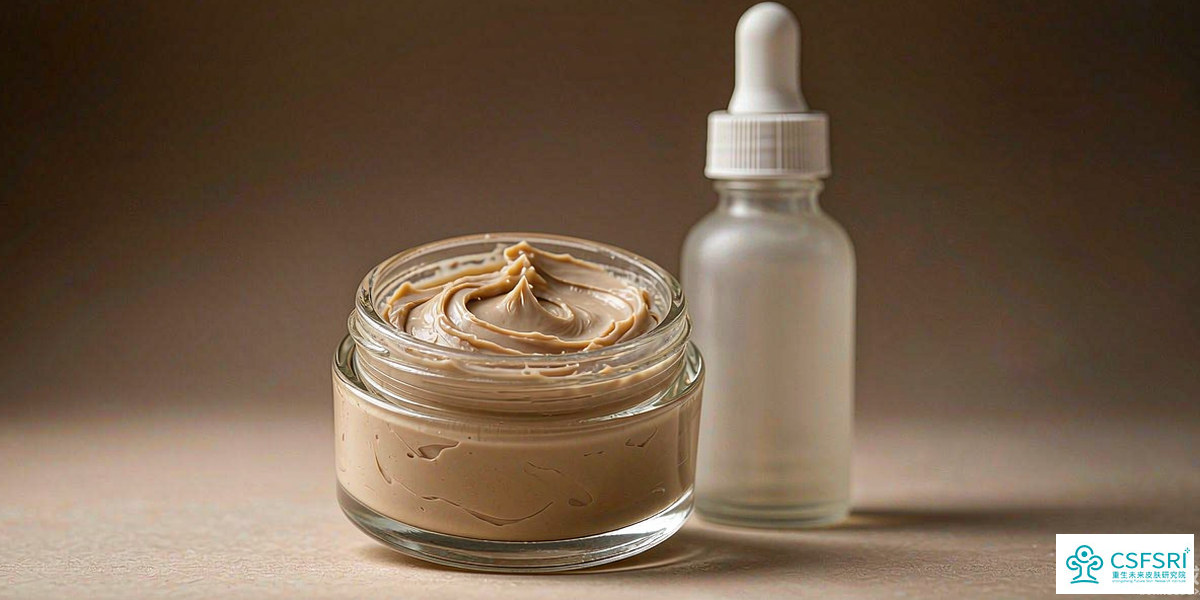
In cosmetics, "anhydrous" means the product is made without adding water. Instead of a water phase, the base is built from oils, butters, esters, silicones and waxes. Common formats include balms, ointments, facial oils, anhydrous gels (using a volatile solvent instead of water), solid sticks and waterless serum bars.
This is not the same as "oil-free." An anhydrous product can still feel light if it uses volatile silicones or esters, but it will not have the watery slip of a lotion. The point is structural: there is no free water for other ingredients to dissolve into.
Why does removing water matter for preservation?
Microorganisms generally need water to grow. When a formula has no free water and no water-containing raw materials, the risk of microbial contamination drops, and many anhydrous products can be made without a traditional preservative system.
The catch is that "anhydrous" is not automatically "preservative-free." If the formula includes botanical extracts, hydrosols, aloe juice or any other aqueous raw material, water re-enters the product and preservation becomes necessary again. An honest claim depends on the full ingredient list, not on the marketing label.
Which actives benefit from a low-water environment?
Some actives are unstable in water or break down faster when water and air are present. Vitamin C (L-ascorbic acid) and retinol are the usual examples: in a low-water, well-sealed format they tend to stay potent longer, which is why water-free serums and oils are a popular vehicle for them. The exact concentration still depends on the product, the packaging and the target market — formulation is a balance, not a single number.
If you are planning a retinol product, the same stability logic applies whether the base is water or oil; the difference is which failure mode you are managing. See our notes on formulating with retinol, including the newer EU limits for the regulatory side of that decision.
What changes in texture and skin feel?
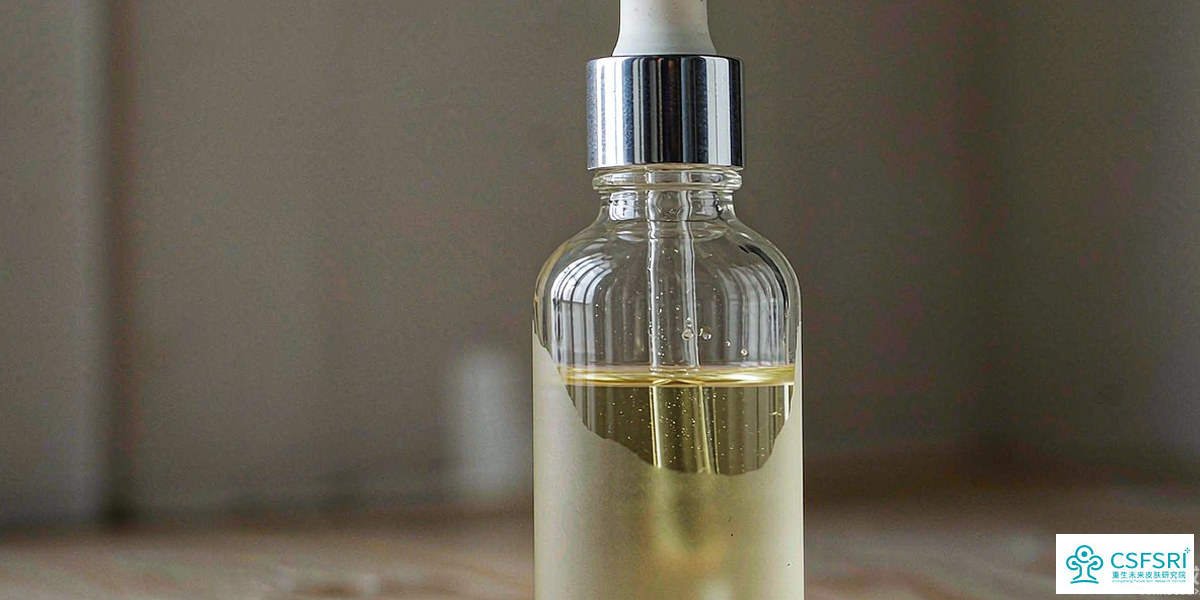
An oil-based base feels richer and more occlusive than a water-based one. For dry-skin positioning or overnight treatments, that can be a selling point. For humid climates, acne-prone skin or lightweight daily routines, the same richness can feel heavy or greasy.
There is no universal "better." The right texture depends on the category, the climate you sell into and the routine the product is meant to sit in. An anhydrous balm and an anhydrous oil serum solve different problems.
What do you need to manage in an anhydrous formula?
Going water-free removes one problem and exposes a few others:
- Humectants: Ingredients like glycerin pull water from the environment or the skin. In a water-free base there is no environmental water to draw from, so they can pull moisture out of the skin and leave a tacky or tight feel. Formulators adjust levels or pair them with enough emollients.
- Oxidation: Oils still go rancid. Antioxidants, low-oxygen filling and protective packaging matter as much as in any oil product.
- Packaging: Airless or opaque, tight-seal formats protect the actives and the base. The "no water" advantage is wasted if the package lets air and light in.
- Claims: "Preservative-free," "water-free" and "free-from" statements are reviewed differently across markets. The EU, for example, has been tightening rules around "free-from" wording, and the claim must be truthful for the actual formula.
Stability work does not disappear either. Even when preservative challenge testing is less relevant, you still need to confirm the product holds up over its intended shelf life. Our guide on how long formula testing takes before production covers what that program usually involves.
When does an anhydrous format make commercial sense?
Use this table as a quick filter against your product brief:
| Format | Fits when | Watch out for |
|---|---|---|
| Balm / ointment | Rich, occlusive care positioning; lips, elbows, overnight care | Can feel heavy in warm climates |
| Facial oil / oil serum | Showcasing oil-soluble actives; premium, sensorial feel | Needs oxidation and package control |
| Stick / bar | Solid, low-mess application; solid serum or balm sticks | Melting point and shipping temperature |
| Anhydrous gel | Light, non-greasy feel from volatile solvents | Solvent choice and evaporation control |
The decision is rarely "water is bad." It is: which actives, texture and claim story are you building, and is dropping the water phase the cleanest way to get there?
What should a brand verify before committing?
Before you brief a manufacturer, confirm three things: the full raw-material list (does any input add water?), the preservation strategy if water is present, and the claim wording for each market you plan to sell in. Requirements vary by market, product type and wording, so confirm the applicable rules before artwork is finalized.
If you are scoping a private label line and want to pressure-test your formulation brief against real production constraints — water phase, preservation, stability and claim language — our technical team can review it with you before sampling.