Entering the Russia and CIS skincare market means planning for one regulatory system that covers five countries, a local authorized representative, Russian-language labeling, and a channel mix where marketplaces now compete with traditional retail. The opportunity is real for brands and distributors, but the preparation is different from selling into the EU or the US.
What Makes the Russia and CIS Market Different?
The "CIS" in the question refers to the Commonwealth of Independent States, but for cosmetics the practical bloc is the Eurasian Economic Union (EAEU): Russia, Belarus, Kazakhstan, Armenia and Kyrgyzstan. A single conformity path can cover all five, which simplifies distribution once the paperwork is in place.
Two things shape almost every project here. First, the climate pushes demand toward richer creams and winter skincare, so the formats that sell well are not always the same as in milder markets. Second, the route to the consumer has shifted toward e-commerce marketplaces, which changes how a new brand should plan its launch and its content.
Which Rules Apply Before You Ship?
The baseline is the EAEU technical regulation TR CU 009/2011 on the safety of perfumery and cosmetic products, in force across member states since 2012. Most ordinary cosmetics follow a Declaration of Conformity, often called an EAC declaration, where the applicant confirms the product meets the technical requirements on the basis of testing.
Certain categories take a stricter path. State registration is generally required for children’s cosmetics, skin-whitening or brightening products, hair dyes and perms, depilatories, intimate-care products, products containing nanomaterials, and sunscreens, among others. The exact list should be confirmed against the current regulation for the specific product.
A practical constraint that surprises new exporters: the applicant must be an entity registered inside the EAEU. A foreign brand typically works through a local importer or an authorized representative, who files the declaration and holds responsibility. Build this into the plan early, because it affects both the timeline and the contract structure.
What Does the Label Need to Show?
Labels must be in Russian. At minimum, expect to show the product name and purpose, manufacturer and importer details, the full ingredient list in INCI order, net content, batch code, date of manufacture and shelf life (or the period-after-opening symbol), usage instructions, and the EAC mark.
Using machine translation for a technical label is a common reason files get rejected, so handle the Russian label as a real deliverable. The supporting documents, including the product specification and test reports, are usually expected in Russian or another EAEU official language.
Where Do Consumers Actually Buy?
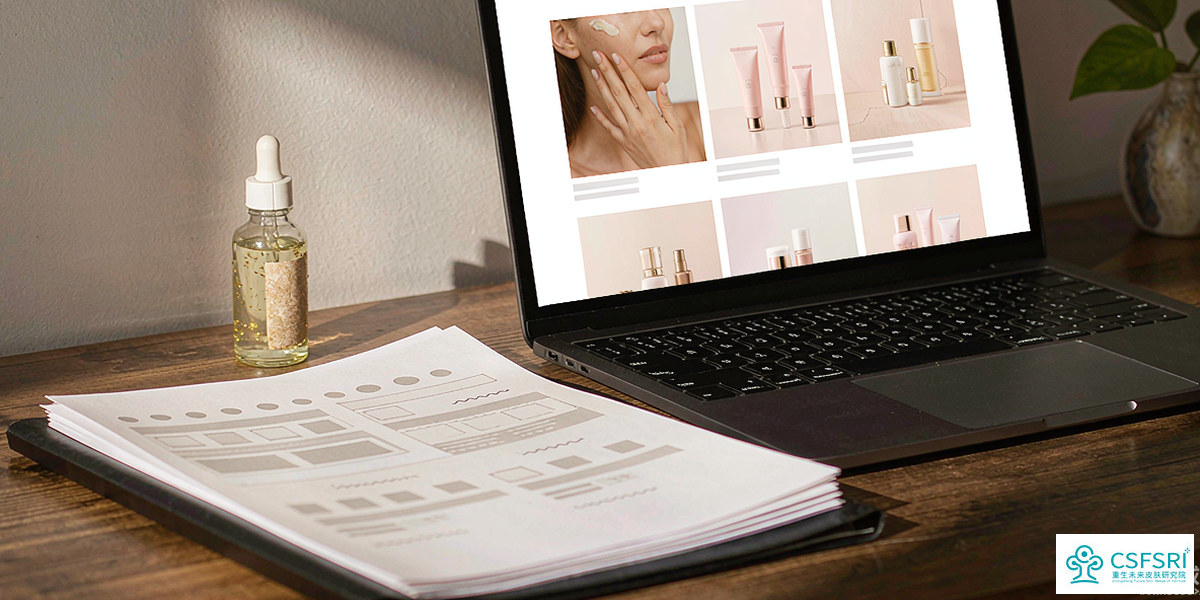
Modern retail and pharmacies still account for a large share of sales, but marketplaces have become a fast-growing channel. Wildberries and Ozon in particular act as discovery engines: search placement, customer reviews and promotions can shape demand as much as shelf space once did.
For a foreign brand, that has two implications. A marketplace-ready listing with Russian copy and compliant imagery matters as much as the product itself. And because logistics into the region can add meaningful landed cost depending on the route and the packaging, the unit economics should be modeled before committing to a SKU range.
Which Products Fit the Climate and Local Preferences?
Cold winters drive steady demand for richer moisturizers, products that help support the skin barrier, and hand care, while summer shifts interest toward sunscreens. Claims need to be defensible: efficacy claims such as anti-aging may be questioned during market surveillance, so the substantiation behind any claim should be ready before launch.
This is also where formulation choices connect to registration. A brightening or anti-aging positioned product may fall into the stricter registration category, which changes the documents you need and the timeline. Deciding the claim strategy early avoids rework later.
What Should You Prepare Before Talking to a Manufacturer?
Bring a clear product specification: target format, key ingredients and positioning, intended markets, and the claims you want to make. The manufacturer can then advise whether the formula needs adjustment for the registration route, what testing is appropriate, and how the packaging and label should be prepared for Russian-language compliance.
- A written product brief covering format, positioning and target market
- The intended claim set, so the registration route can be chosen correctly
- Russian-ready packaging and label artwork, planned in parallel with formula work
- A timeline budget of weeks to months for testing and conformity, not days
The conformity process typically runs over a period of weeks to months rather than days. Testing, document preparation and the declaration or registration step each take time, and the exact duration depends on the product category, the assessment route and the laboratory queue. Starting this work alongside packaging development prevents the label from becoming the critical path.
If you are scoping a skincare line for the Russia and CIS region and want to align the formulation, labeling and testing plan with the EAEU requirements before sampling, our technical team can review your product specification with you and outline a realistic path to market.